 Press
Social Media
Press
Social Media
Tue, January 27, 2026 at 6:00 PM
AKADEMIE FORUM: CARLOS FRAENKEL
Lecture: Can Philosophy Save Us?
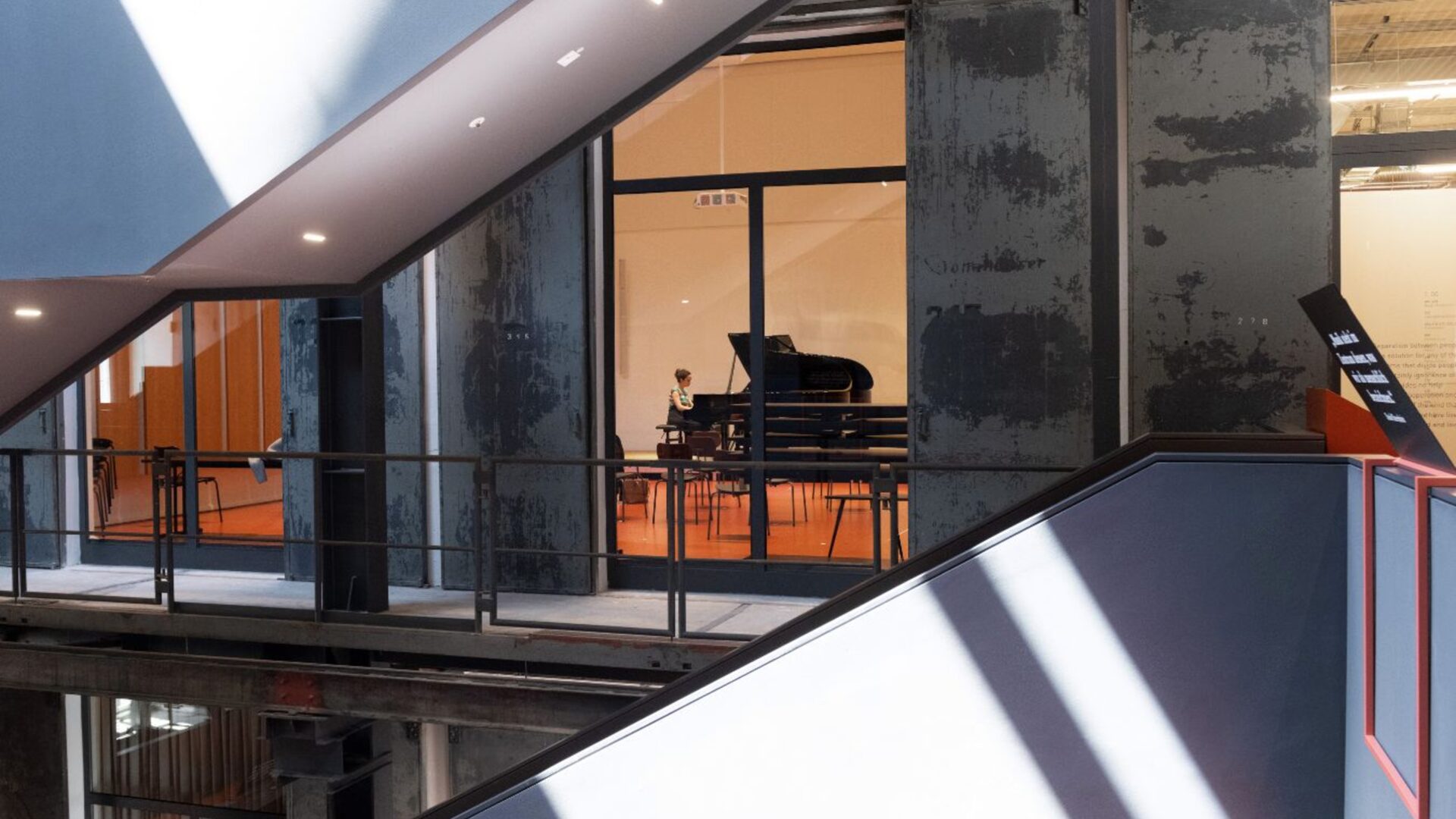
Pierre Boulez Saal - Mozart Auditorium
We regret that this event has to be canceled due to a family emergency. Thank you for your understanding.
Ancient philosophers believed that philosophy could indeed save us—and were willing to die and kill for that belief. Socrates tried to save his fellow citizens through argument and was executed for it. Plato drew a dark lesson from his teacher’s fate: rational persuasion is powerless in the face of deeply entrenched irrationality. Only violent social transformation—destroying a corrupt system and replacing it with a virtuous one—can rescue humanity from injustice. That conviction has echoed through modern revolutionary movements from Robespierre to the Rote Armee Fraktion. Unlike Plato and his revolutionary heirs, liberal societies distrust claims about the “true” good life and instead celebrate pluralism. Yet despite unprecedented freedom and prosperity, most people today clearly do not live happy and flourishing lives. Instead, we lurch from crisis to crisis—war, climate collapse, exploitation, political radicalization—without shared standards for what is worth pursuing.
This lecture asks an uncomfortable question: has liberalism’s refusal to seriously debate the good life made it complicit in the current state of the world? Revisiting Socrates and Plato, the lecture argues that the real alternative to Socratic pestering and Platonic coercion is not silence, but a radical democratization of philosophical judgment—an education that equips citizens to deliberate about value without turning disagreement into domination and politics into war.
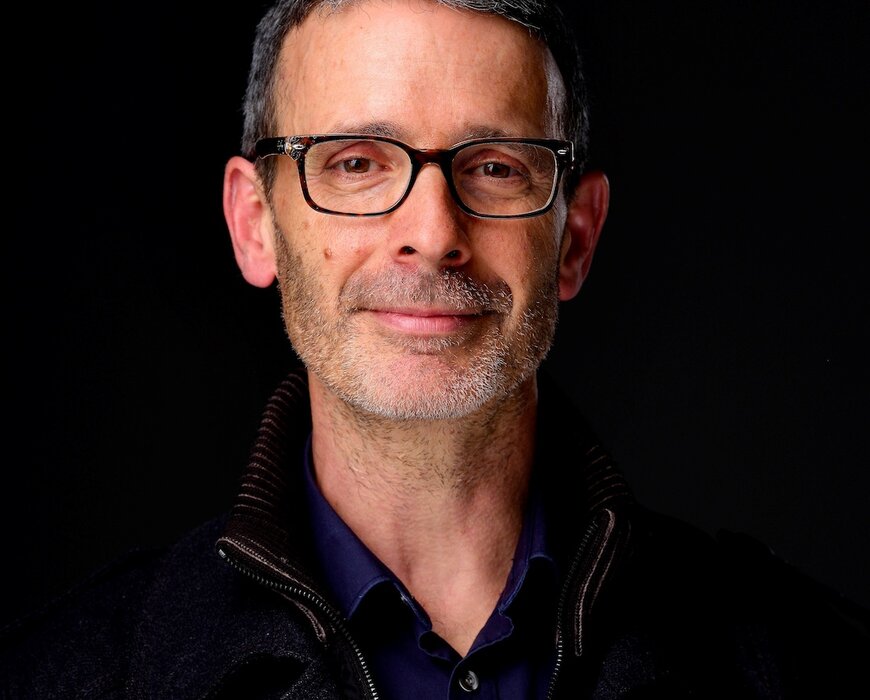
Carlos Fraenkel is James McGill Professor of Philosophy and Religion at McGill University in Montreal and later this year will become director of the Einstein Forum in Potsdam. He was previously Professor of Comparative Religion and Philosophy at the University of Oxford. He is the author of Philosophical Religions from Plato to Spinoza: Reason, Religion, and Autonomy; Teaching Plato in Palestine: Philosophy in a Divided World; and the forthcoming Radical Ancients: Philosophy as Experiments in Living. His work approaches philosophy as a practical and critical activity, asking how it can shape individual lives, public culture, and democratic societies. He is widely engaged in public philosophy, and his essays have appeared in the London Review of Books, Times Literary Supplement, New York Times, Boston Review, Dissent, Liberties, and other publications. At McGill, he teaches “The Good Life,” a popular undergraduate course on philosophical approaches to how we should live.
Presented in English
Featuring a musical contribution by students of the Barenboim-Said Akademie
Artists
Sprecher
Presenter
PARTNER
YOUR VISIT
How To Get There
Mozart Auditorium
Barenboim-Said Akademie
Französische Straße 33d
10117 Berlin
Germany
_____
Public Transport
U-Bahn U2 Hausvogteiplatz, U5 Museumsinsel, U6 Unter den Linden
S-Bahn S / U Friedrichstraße
Tram M1, 12 Mitte / Am Kupfergraben
Bus 147 Werderscher Markt; 100, 300, N5 Staatsoper
Bicycle
Bicycle racks are available on the street “Hinter der Katholischen Kirche.”
Car
Q-PARK parking garage Unter den Linden / Staatsoper
Bebelplatz 2
10117 Berlin
Theater rate (5.30 pm – 11.30 pm, paid in advance): €10
Please note there is a construction site across from the hall on Französische Straße. The street is narrowed, and cars or taxis are not allowed to stop in front of the Pierre Boulez Saal entrance.
Accesibility
To book wheelchair-accessible seating, other seats for visitors with disabilities, or companion seats, please contact us directly.
+49 30 4799 7411
tickets@boulezsaal.de
All wheelchair seats are accessible by elevator.
In order to make access as easy as possible, we kindly ask that you inform us of your requirements when booking your tickets.
Restrooms for visitors with disabilities are located in the basement and on the first floor.
Four parking spaces for visitors with disabilities are available on the street "Hinter der Katholischen Kirche".